
When the first iPhone launched in 2007, it felt like a novelty. Fast forward to 2024, and the UK’s mobile gaming market is worth £1.8 billion, a 12 % rise from the previous year. That growth isn’t just about numbers; it’s reshaping how people spend leisure time, how developers monetize, and how the broader entertainment ecosystem adapts.
From Casual Fun to Social Currency
Three‑quarters of UK gamers now play on a phone or tablet rather than a console or PC. The most popular titles—Fortnite, Roblox, and Genshin Impact—each boast over 5 million daily active users in the UK alone. This shift has turned mobile devices into social hubs: friends coordinate raids, share screenshots, and compete in leaderboards, all within a few taps. The result is a new layer of social interaction that traditional gaming platforms only began to tap into a decade ago.
Monetization Models That Matter
In‑app purchases and ad‑supported free‑to‑play have replaced the old “buy the game once” model. A recent study found that the average UK mobile gamer spends £15 per month on microtransactions, with 30 % of that revenue coming from cosmetic items. This steady stream of micro‑spending has attracted brands that want to reach a younger, tech‑savvy audience. For example, a leading UK fashion label partnered with a popular mobile shooter to drop a limited‑edition virtual jacket, generating £2 million in sales in the first week.
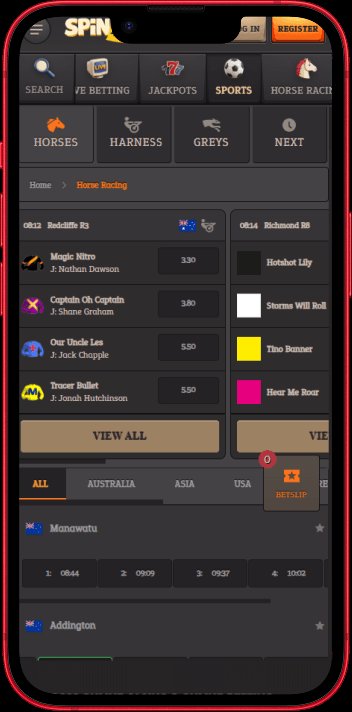
For those craving a different kind of thrill, a Web page offers a curated selection of mobile‑friendly casino games that blend skill and chance, appealing to the same demographic that loves casual mobile titles.
Economic Ripple Effects
Local game studios have benefited from lower development costs and global reach. A Bristol‑based indie studio launched a puzzle game in 2021 that reached 1 million downloads in its first month, and the revenue from in‑app purchases helped fund a new studio office. Meanwhile, the advertising sector has adjusted; marketers now target audiences based on in‑game behavior rather than just app installs. This data‑driven approach has cut average cost‑per‑click by 18 % for mobile campaigns in the UK.
How Mobile Gaming Is Reshaping the UK Entertainment Landscape also intersects with online gaming platforms. The convenience of mobile access has led many players to explore broader online entertainment options. For instance, a Web page offers a curated selection of mobile‑friendly casino games that blend skill and chance, appealing to the same demographic that loves casual mobile titles.
Challenges and Considerations
Not all is smooth. The rapid monetization cycle can push younger players toward compulsive spending. In 2023, the UK Gambling Commission reported a 9 % rise in under‑age mobile gambling accounts. Developers are responding with spending limits and parental controls, but enforcement remains uneven. Additionally, the reliance on ad revenue exposes games to privacy concerns; recent EU regulations now require explicit user consent for data collection, adding compliance costs for developers.
Looking Ahead: What’s Next?
5G rollout is accelerating, promising near‑real‑time multiplayer experiences on mobile. Early beta tests of a next‑gen mobile MMORPG in Manchester have shown lag times below 30 ms, a benchmark traditionally reserved for PC servers. If these tests translate into full releases, the line between mobile and console gaming will blur further.
Meanwhile, cross‑platform play is becoming standard. A 2024 survey revealed that 42 % of UK gamers use the same account on mobile, PC, and console, allowing seamless progression across devices. This trend encourages developers to design games with a “play anywhere” mindset, ensuring that no single platform dominates the experience.
Conclusion
Mobile gaming is no longer a niche pastime; it’s a central pillar of the UK’s entertainment economy. From redefining social interaction to driving new revenue models, its influence is measurable and growing. As technology advances and regulatory frameworks evolve, the industry must balance innovation with responsibility, ensuring that the mobile gaming boom benefits players, creators, and the broader economy alike.